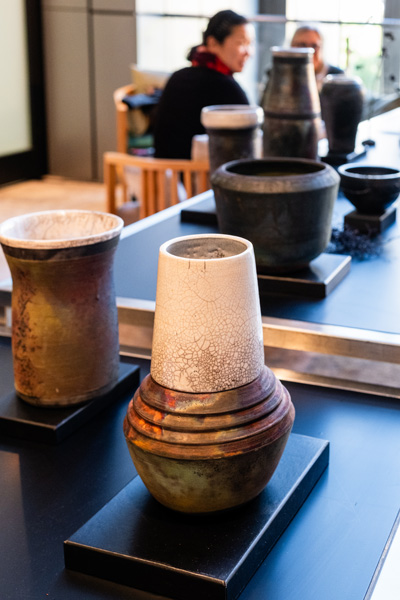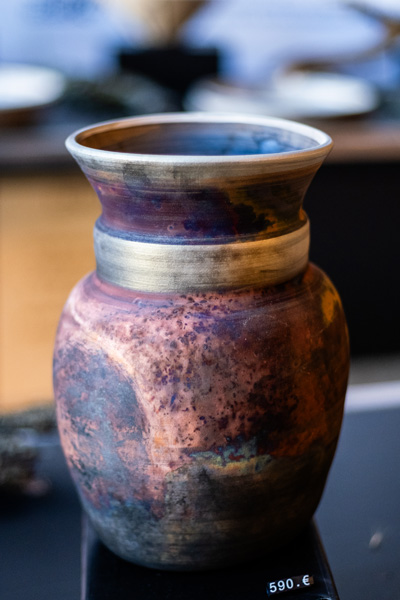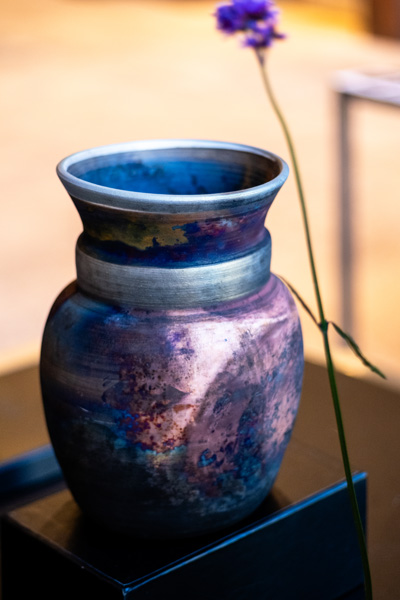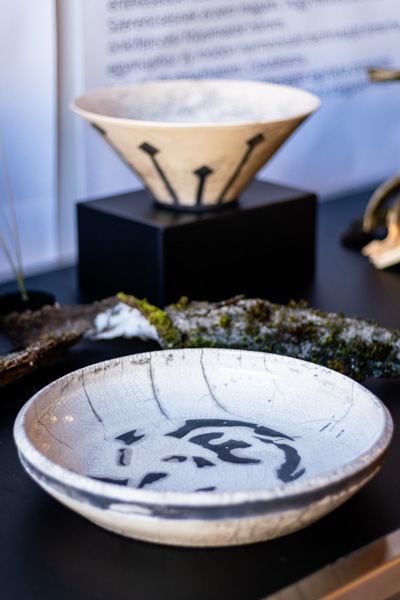
Contemporary ceramics in the context of technology - Ágnes Soltész at the Hi-Fi Show exhibition
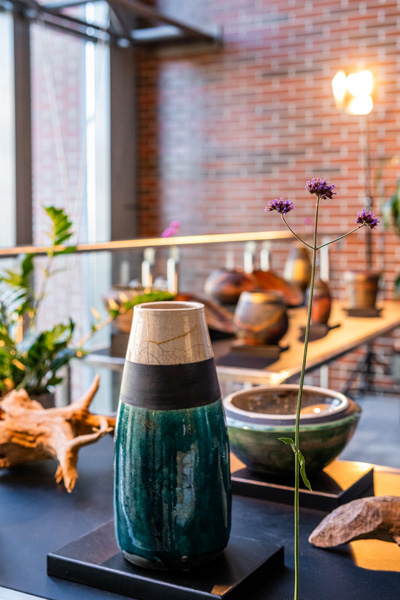
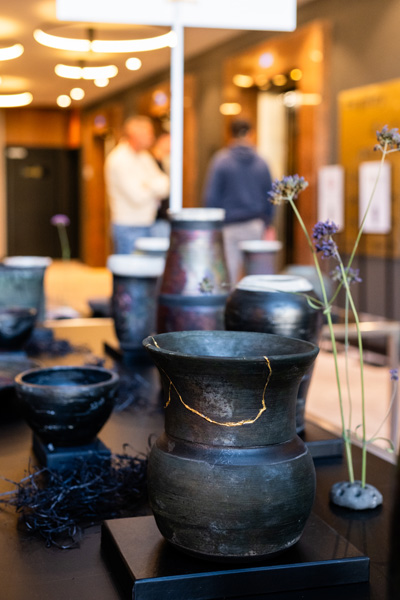
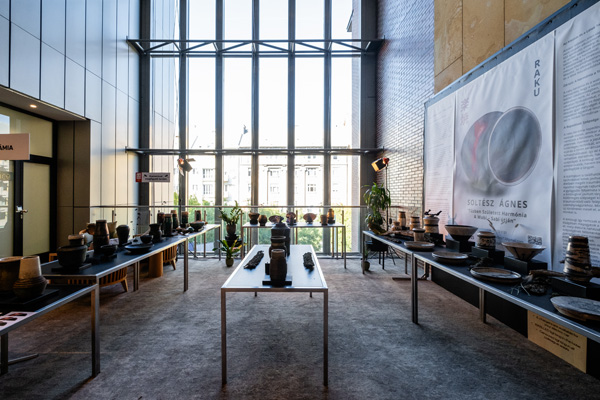
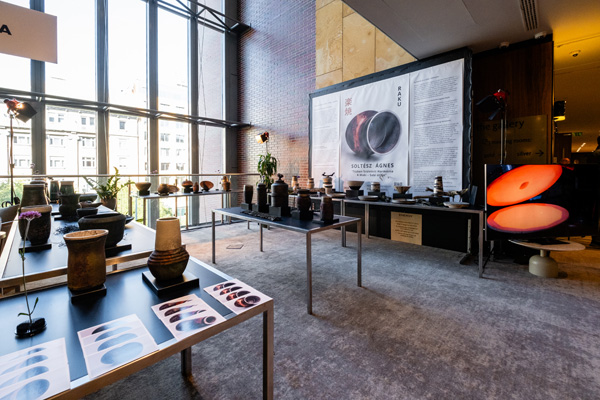
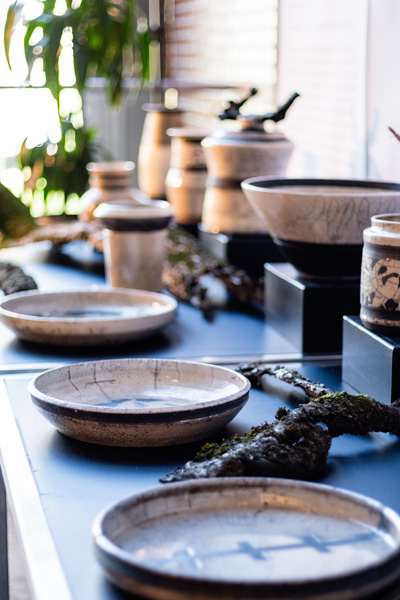
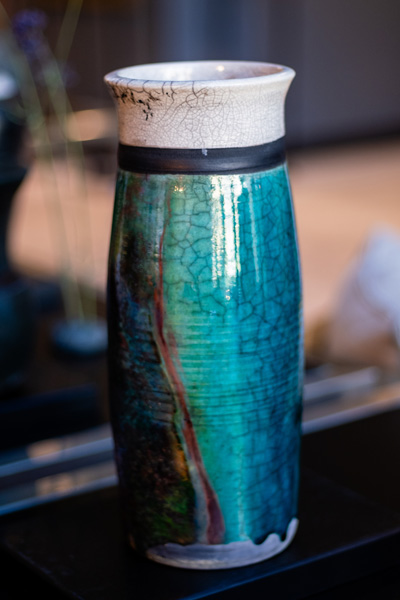
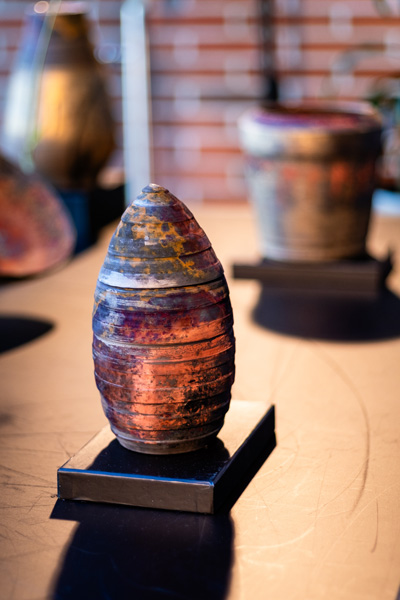
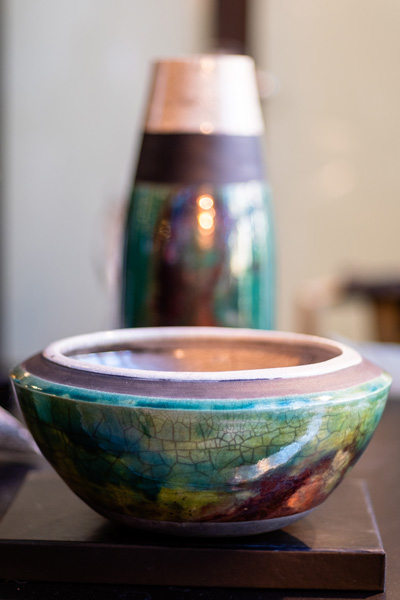
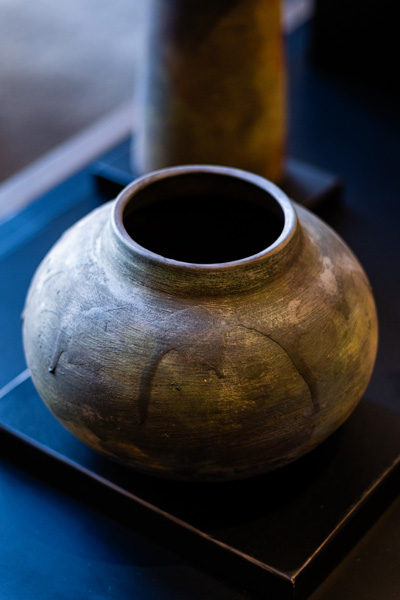
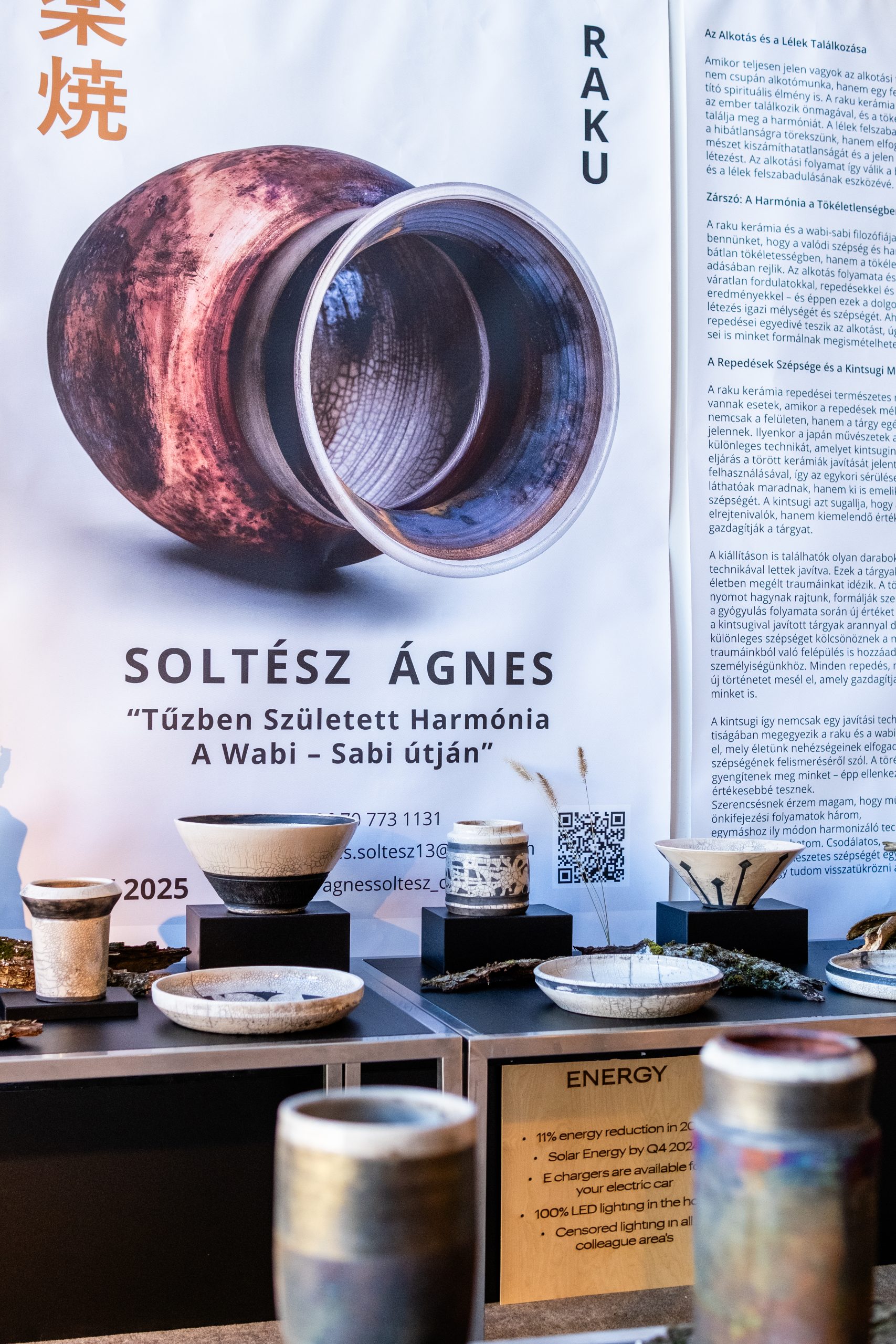
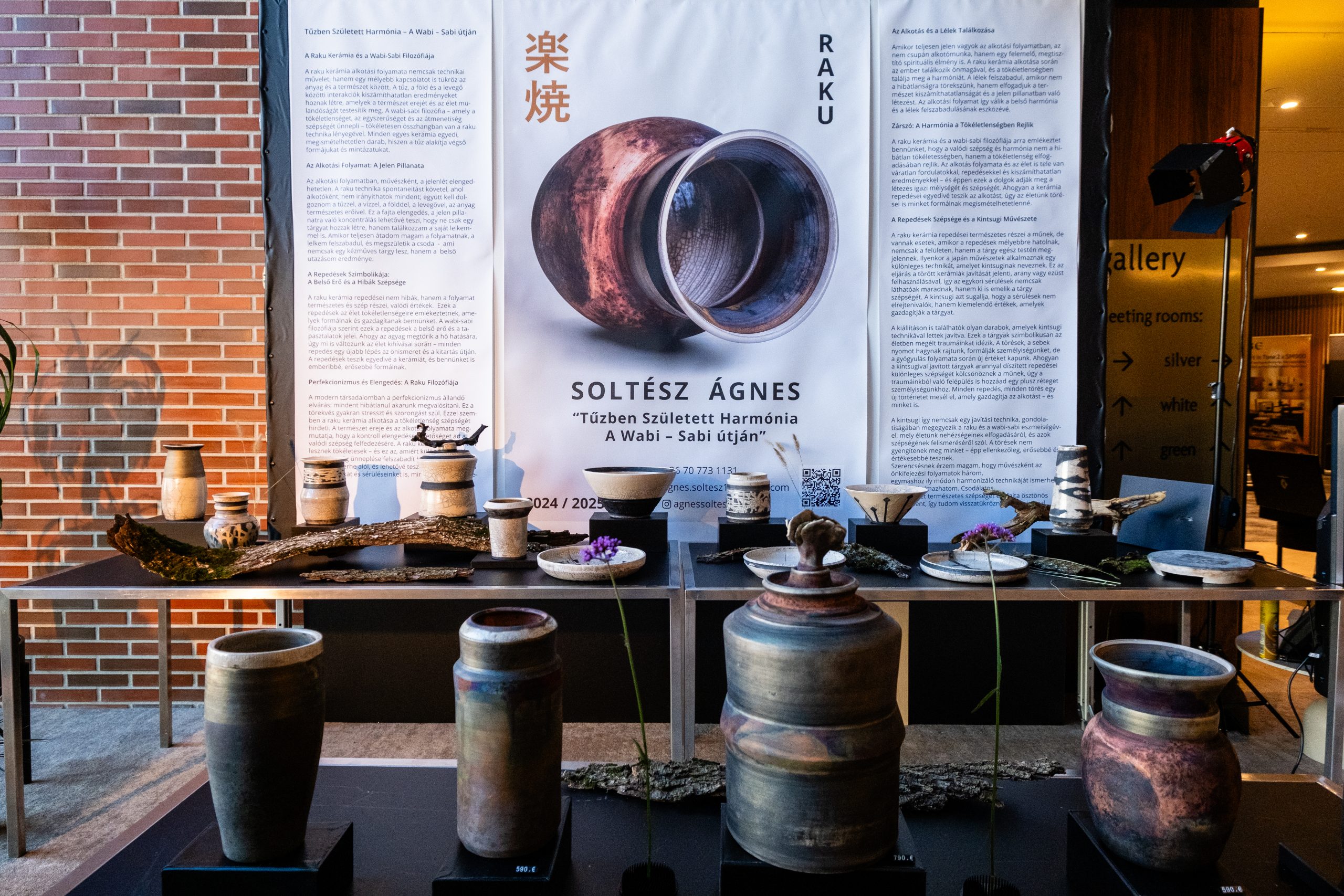
Every year, the Hi-Fi Show creates a unique meeting point at the intersection of technology, design, and art. The event takes place in an environment where, alongside sound quality, visual and spatial experience also receive special emphasis. Within this precisely composed technological setting, Ágnes Soltész’s ceramics appear year after year as an independent, exclusive art exhibition connected to the event.
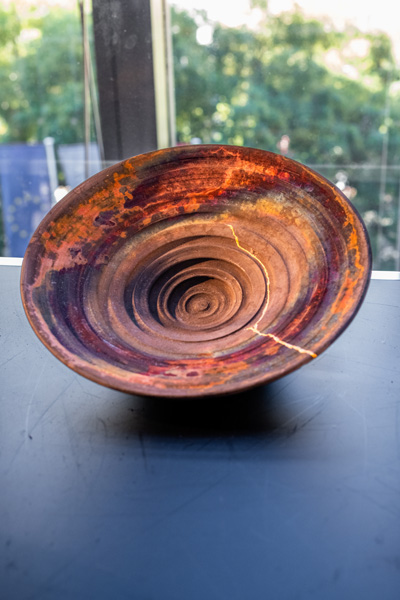
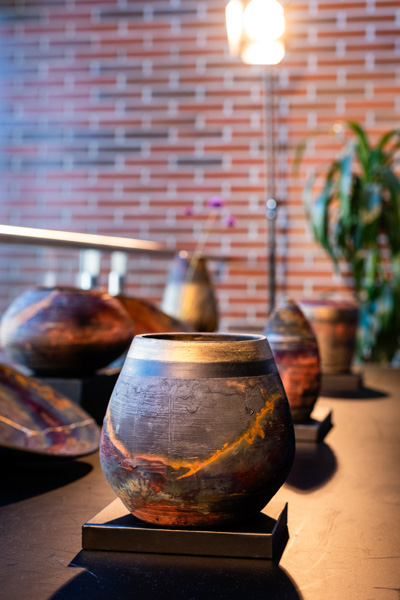
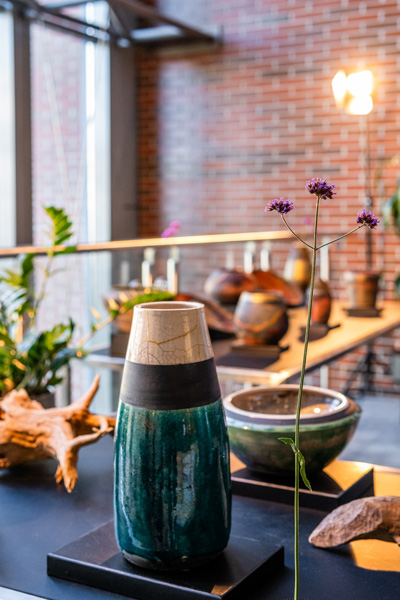
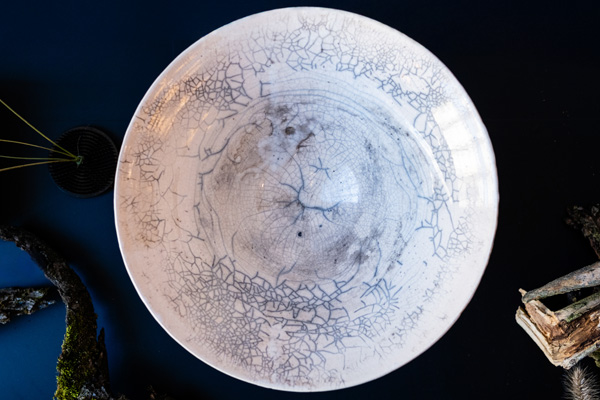
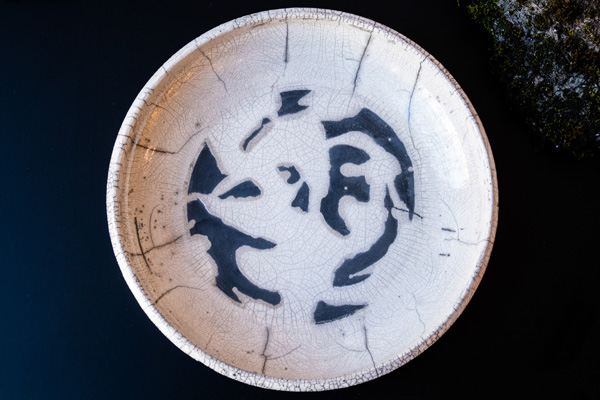
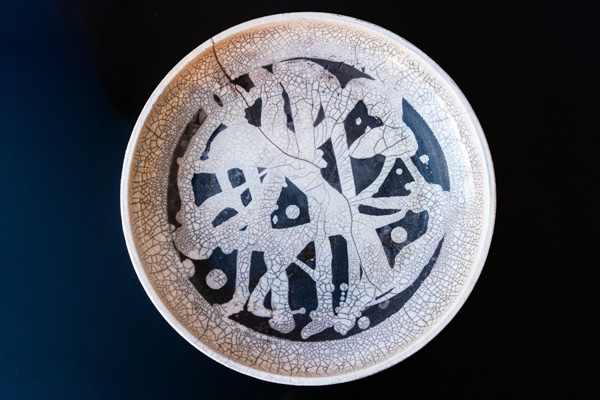
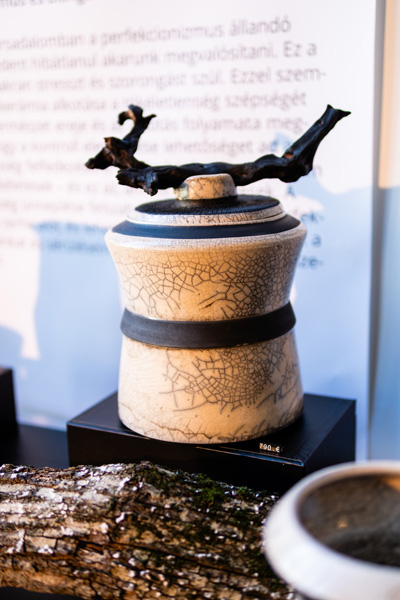
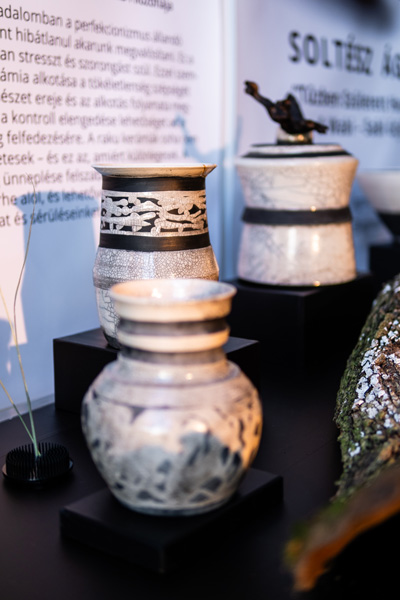
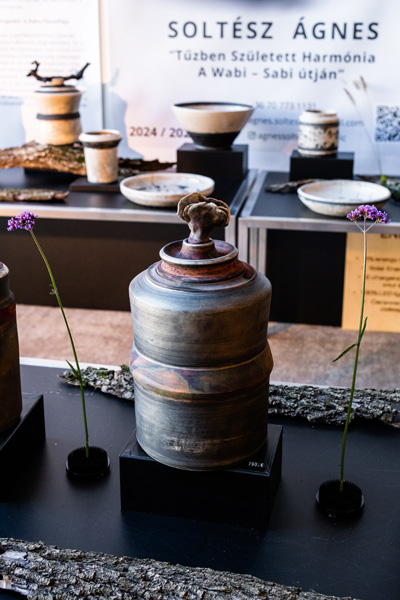
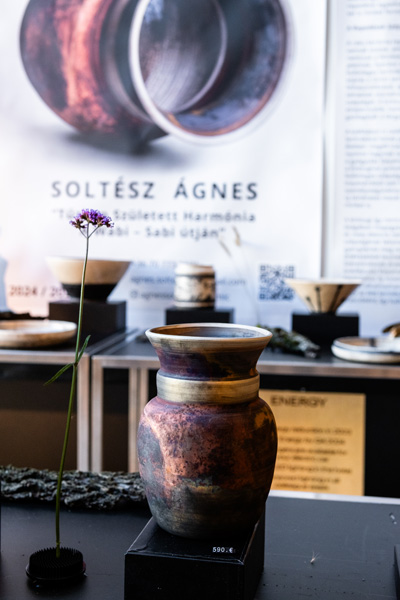
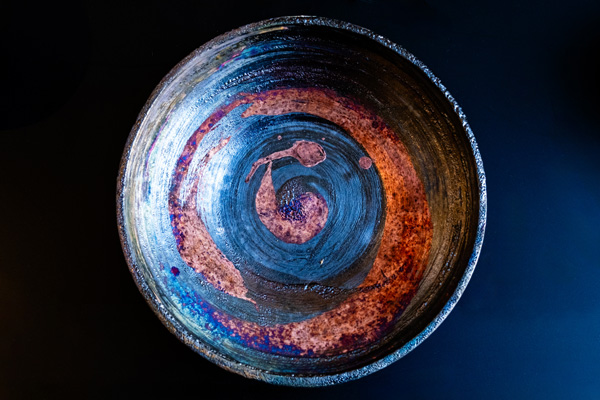
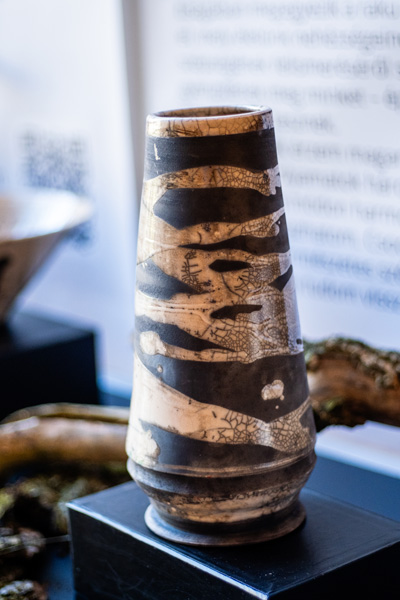
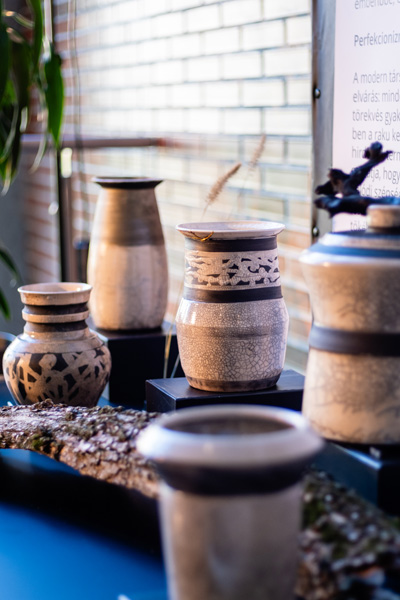
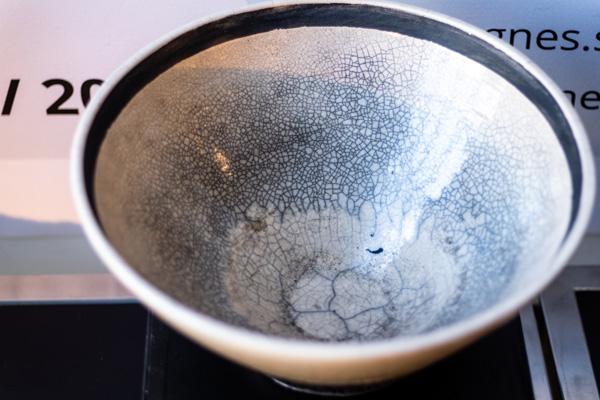
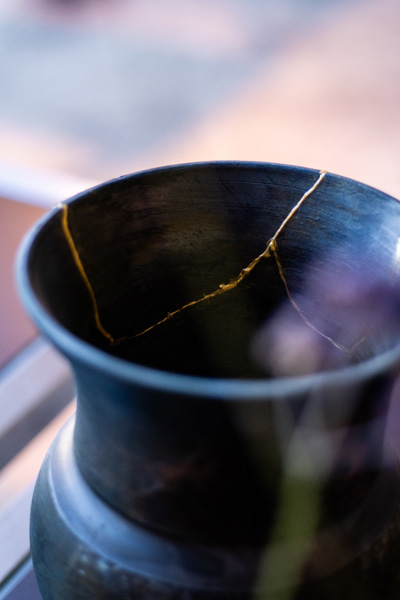
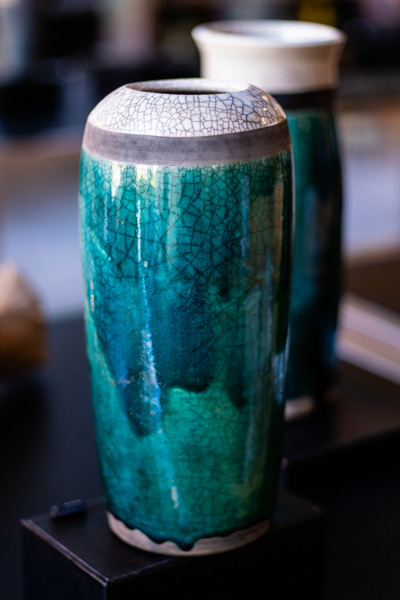
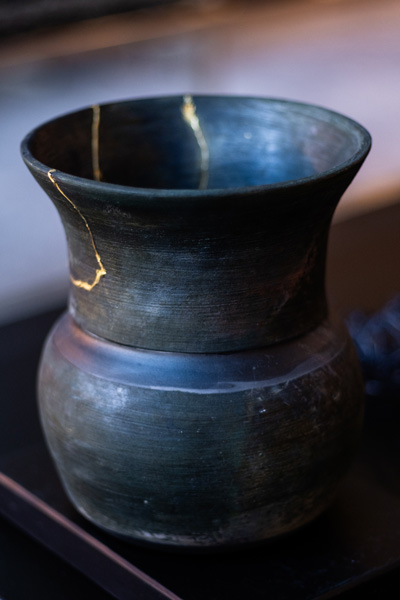
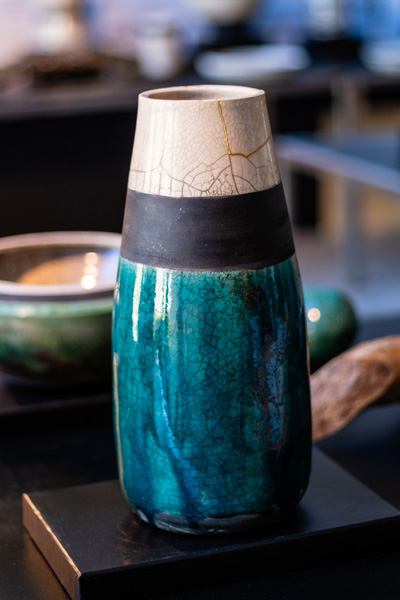
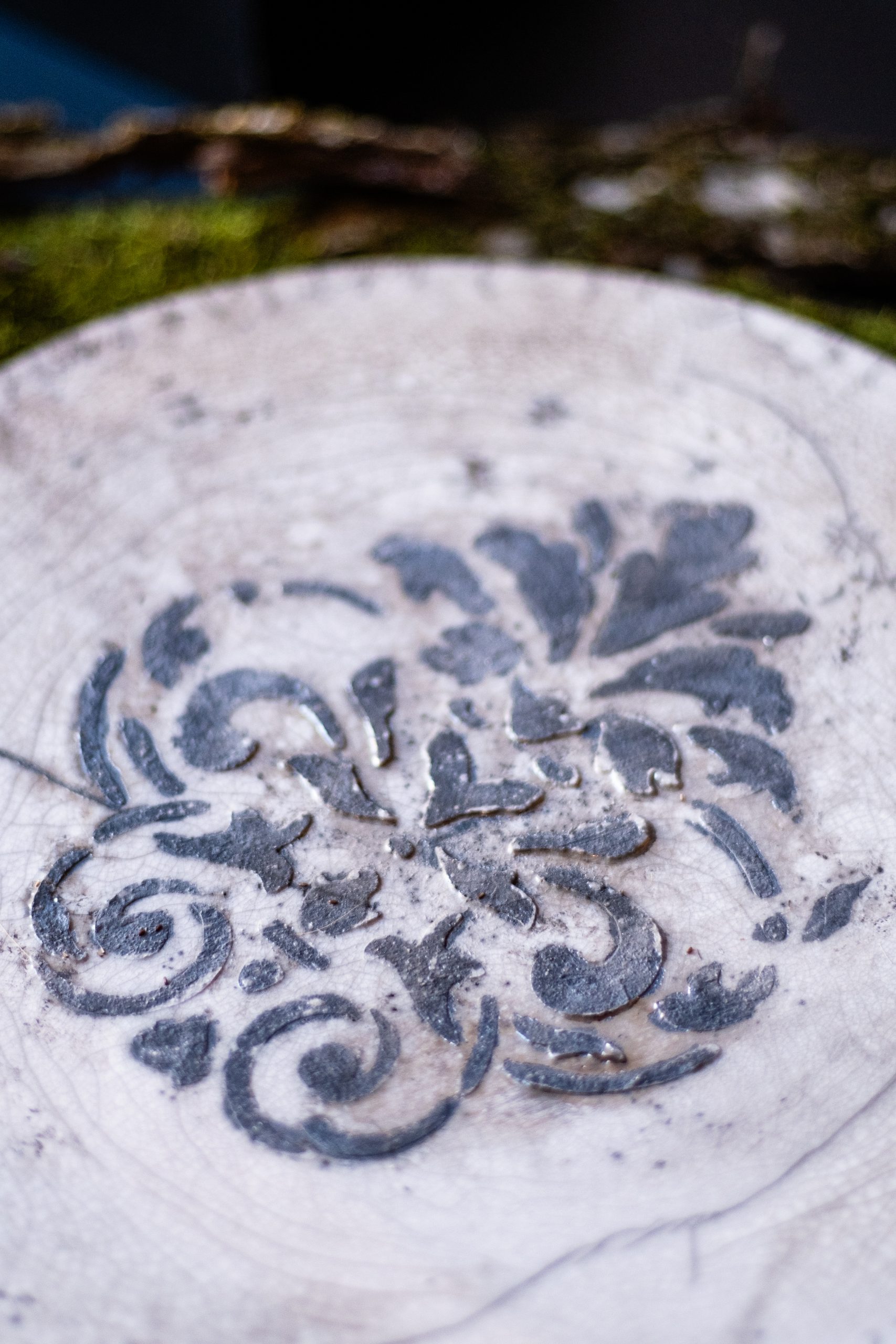
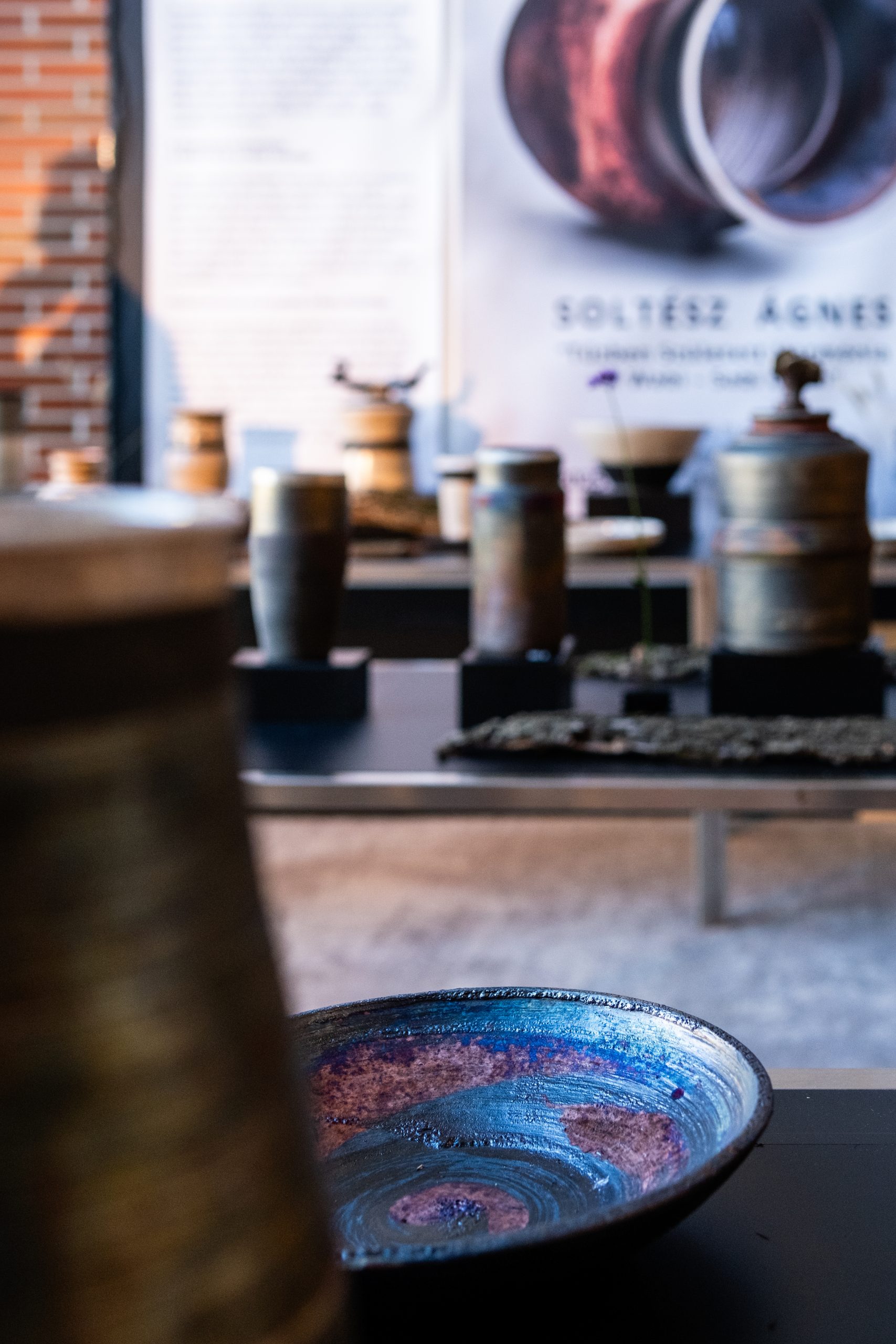
Ágnes Soltész’s works form a deliberate counterpoint to the world of devices designed with engineering precision. Their organic forms, material-centered approach, and subtle surface solutions do not compete with technology, but create a quiet balance beside it. Here, ceramics do not function as decorative accompaniment, but as an autonomous presence: a slower, more sensitive response grounded in physical experience within a setting built on a high degree of precision.
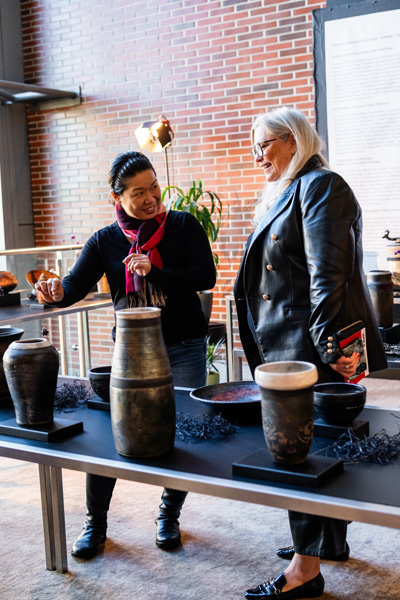
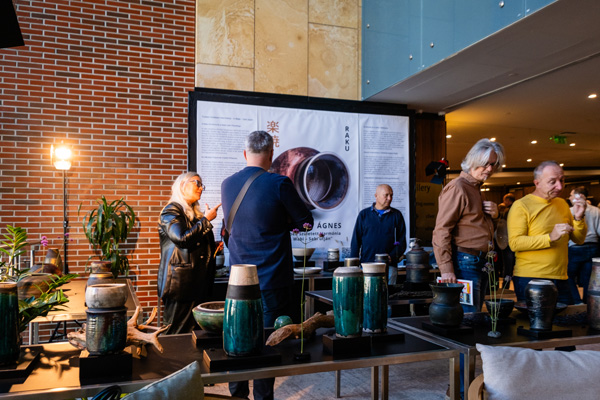
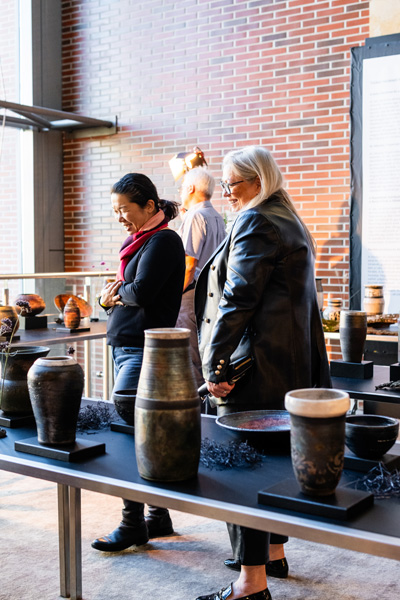
Each year, the exhibition offers visitors the opportunity to meet the artist in person. This direct presence brings the audience closer not only to the artworks themselves, but also to the creative way of thinking behind them: to a process in which material, form, and the chance occurrences that arise during firing become equal participants.
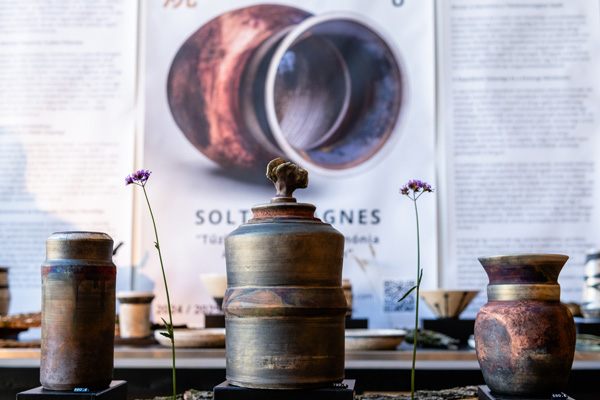
One of the most important characteristics of these appearances is their continual renewal. Each year, Ágnes Soltész prepares new works for the Hi-Fi Show, while earlier pieces also remain part of the presentation. This can be understood not as a retrospective, but as continuity: the evolution of form, the dialogue with material, and the artist’s recurring questions take on new emphasis each time, yet together they trace a consistent arc.
This year’s presentation marked a special milestone in the artist’s career: it was the first occasion on which her porcelain rings were introduced, opening a new and more delicate direction in her work. These individually crafted pieces appear under the name AGNÉSSE, reinterpreting the materiality of ceramics in a personal, wearable form. The porcelain rings do not represent a departure, but a natural expansion. They embody the same sensitivity to material, attention to surface, and concentrated craftsmanship that also define the larger-scale objects. Here, ceramics do not become mere function or ornament, but an intimate object: something that continues to live close to the body while preserving its autonomy.
These pieces are not mass-produced jewelry, but independent creations. To wear them is to enter into a personal connection, in which a quiet relationship takes shape between material, form, and wearer—the same silent relationship that permeates Ágnes Soltész’s entire body of work.